


| SNo. | Scientific Name | Locality | Habitat | Basis of Record | Description | Recorded By | Record Number | Island | Source | Date |
|---|---|---|---|---|---|---|---|---|---|---|
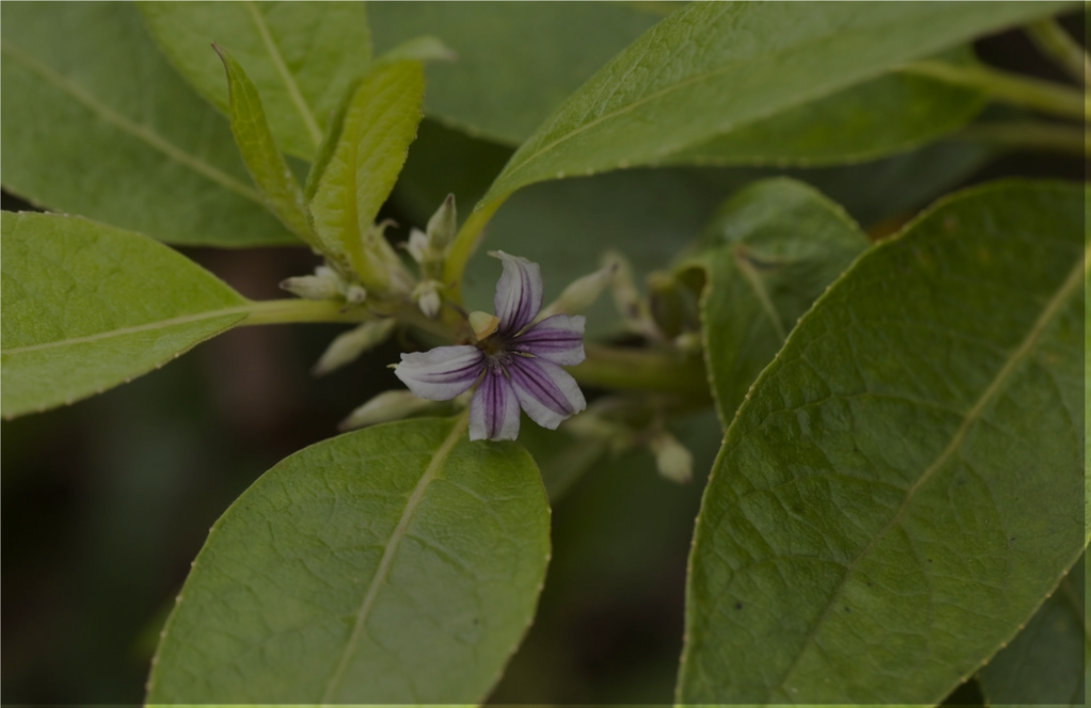
| 1 | Kadua haupuensis | Locality redacted. Contact Bishop Museum Botany Department for details | N facing mesic forest; cliffs on W side of summit; dominant species: Diospyros-Pisonia-Metrosideros. Cultivated. | Preserved_Specimen | A shrub 1 m tall, flwering, corolla white, no smell. (NTBG acc. # 980794; grown from seeds collected on the Haupu Range, Kauai). | Dunn, L. | 164 | Kauai | BISH | 2003-04-17 |
| 2 | Kadua haupuensis | Locality redacted. Contact Bishop Museum Botany Department for details | N facing mesic forest; just below and along cliffs on W side of summnit, Mesic forest with relict native species, Pisonia, Diospyros, Acacia, Hedyotis acuminata, Pipturus spp., Psychotria spp., Cyanea hardyi, Artemisia australis, Bidens spp. | Preserved_Specimen | Sub-shrubs, 1 m long, moderatewly branched with medium brown stems having glossy green lvs with white costa, covering 10 sq meter area, in frt, 7 plants in area. | Wood, K.R. | 7492 | Kauai | BISH | 1998-09-23 |
| 3 | Kadua haupuensis | Locality redacted. Contact Bishop Museum Botany Department for details | New horticulture center and nursery. Cultivated. | Preserved_Specimen | Shrub with erect green stems 1 m tall, lvs shiny green above, paler beneath. Male plant, fls not fragrant (10 AM), calyx lobes purplish-green; corolla pale greenish-white, style short included, anthers pollenifierous. | Lorence, D.H. | 9451 | Kauai | BISH | 2005-04-28 |
| 4 | Kadua haupuensis | Locality redacted. Contact Bishop Museum Botany Department for details | Plant originally received from Mike DeMotta, National Tropical Botanical Garden, Kauai, 1 May 2006. | Preserved_Specimen | Orr, D. | Oahu | BISH | 2011-04-22 |
Lorem ipsum dolor sit amet, consectetur adipiscing elit, sed do eiusmod tempor incididunt ut labore et dolore magna aliqua. Ut enim ad minim veniam, quis nostrud exercitation ullamco laboris nisi ut aliquip ex ea commodo consequat. Duis aute irure dolor in reprehenderit in voluptate velit esse cillum dolore eu fugiat nulla pariatur. Excepteur sint occaecat cupidatat non proident, sunt in culpa qui officia deserunt mollit anim id est laborum.
Lorem ipsum dolor sit amet, consectetur adipiscing elit, sed do eiusmod tempor incididunt ut labore et dolore magna aliqua. Ut enim ad minim veniam, quis nostrud exercitation ullamco laboris nisi ut aliquip ex ea commodo consequat. Duis aute irure dolor in reprehenderit in voluptate velit esse cillum dolore eu fugiat nulla pariatur. Excepteur sint occaecat cupidatat non proident, sunt in culpa qui officia deserunt mollit anim id est laborum.
Lorem ipsum dolor sit amet, consectetur adipiscing elit, sed do eiusmod tempor incididunt ut labore et dolore magna aliqua. Ut enim ad minim veniam, quis nostrud exercitation ullamco laboris nisi ut aliquip ex ea commodo consequat. Duis aute irure dolor in reprehenderit in voluptate velit esse cillum dolore eu fugiat nulla pariatur. Excepteur sint occaecat cupidatat non proident, sunt in culpa qui officia deserunt mollit anim id est laborum.
Lorem ipsum dolor sit amet, consectetur adipiscing elit, sed do eiusmod tempor incididunt ut labore et dolore magna aliqua. Ut enim ad minim veniam, quis nostrud exercitation ullamco laboris nisi ut aliquip ex ea commodo consequat. Duis aute irure dolor in reprehenderit in voluptate velit esse cillum dolore eu fugiat nulla pariatur. Excepteur sint occaecat cupidatat non proident, sunt in culpa qui officia deserunt mollit anim id est laborum.
Lorem ipsum dolor sit amet, consectetur adipiscing elit, sed do eiusmod tempor incididunt ut labore et dolore magna aliqua. Ut enim ad minim veniam, quis nostrud exercitation ullamco laboris nisi ut aliquip ex ea commodo consequat. Duis aute irure dolor in reprehenderit in voluptate velit esse cillum dolore eu fugiat nulla pariatur. Excepteur sint occaecat cupidatat non proident, sunt in culpa qui officia deserunt mollit anim id est laborum.
Lorem ipsum dolor sit amet, consectetur adipiscing elit, sed do eiusmod tempor incididunt ut labore et dolore magna aliqua. Ut enim ad minim veniam, quis nostrud exercitation ullamco laboris nisi ut aliquip ex ea commodo consequat. Duis aute irure dolor in reprehenderit in voluptate velit esse cillum dolore eu fugiat nulla pariatur. Excepteur sint occaecat cupidatat non proident, sunt in culpa qui officia deserunt mollit anim id est laborum.
Thank you for your interest in submitting an image of
Select your image and leave a brief description of your photo below.